Shopify's Spring '26 Edition launched June 17, 2026. It covers more than 150 merchant-facing updates and roughly 65 developer-focused changes. Two items give this cycle more weight than a routine feature drop: a hard deadline that will silently break thousands of stores on June 30, and a structural shift in how Plus merchants build their checkout. Everything else builds on those two anchors.
The Deadline That Supersedes Everything: Shopify Scripts Sunset
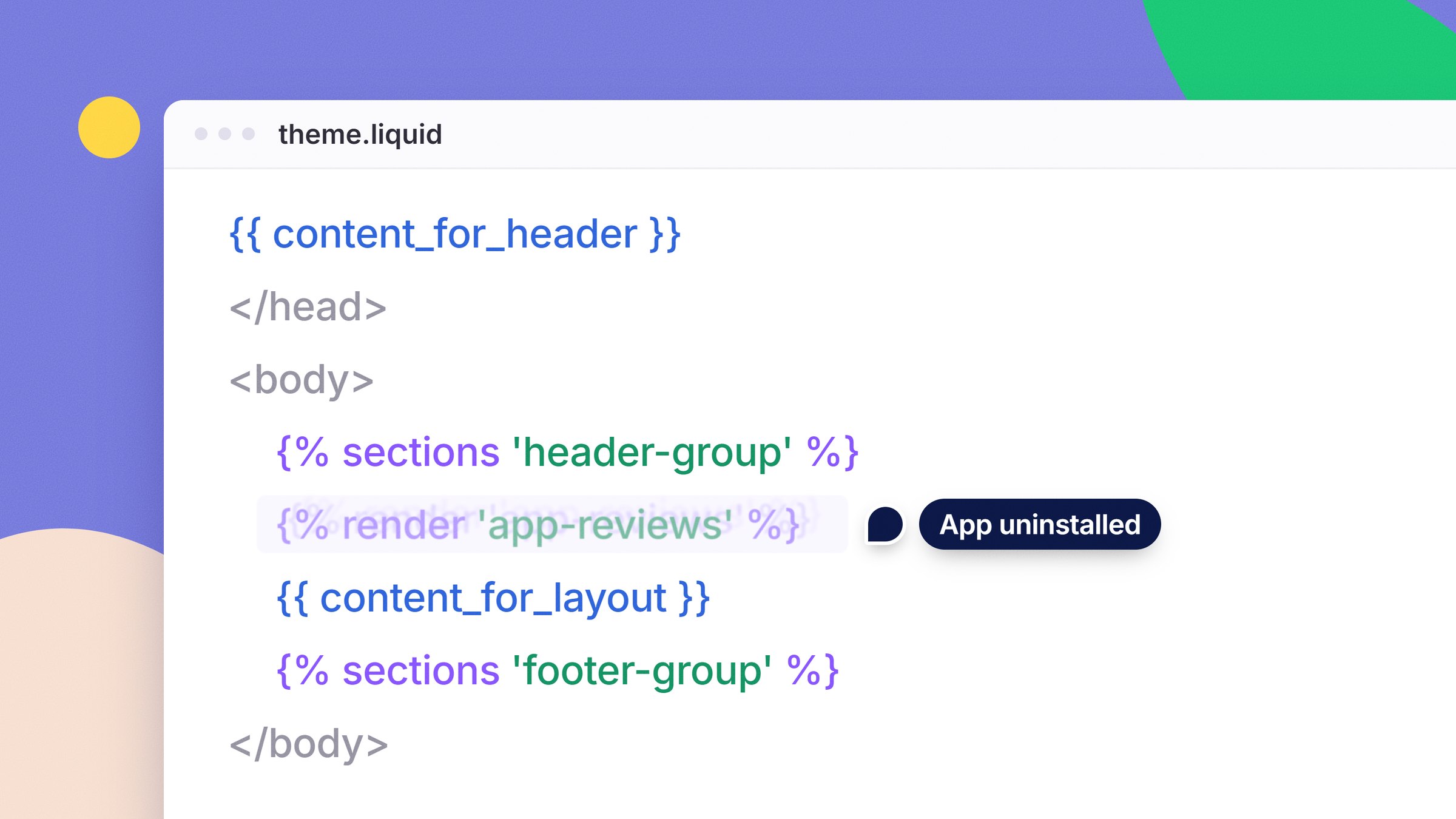
Scripts stop running on June 30, 2026. No extensions. Script editing was locked on April 15, so any store still running Scripts for discounts, shipping rules, or payment customization has no path forward except migration.
The replacement is Shopify Functions — faster execution, broader extensibility. For most stores the migration is straightforward. The risk sits with Plus merchants who have accumulated layers of checkout logic over several years, often written by agencies that are no longer involved. Volume discounts, B2B payment hiding, and conditional shipping rules are the most common Scripts-dependent workflows.
Checkout
Two structural changes ship in this cycle: composable checkout reaches general availability on Plus, and native A/B testing removes the need for third-party experimentation tools.
Checkout Components: GA for Plus
Checkout Components reached general availability for Shopify Plus. The full post-cart flow — information, shipping, and payment steps — can now be customized with drag-and-drop blocks directly in the editor.
Previously, Plus merchants could customize the thank-you and order-status pages but had limited control over the active checkout steps. That gap pushed some brands toward headless builds. Checkout Components closes it. The case for leaving the platform to achieve composable checkout is weaker.
Thank-you and order-status page customization remains available on all plans.
Native A/B Testing with Rollouts
Rollouts is live under Markets > Rollouts as of June 5. Merchants can schedule, gradually release, and split-test themes, checkout configurations, and customer account pages without a third-party app.
This removes a standing reason to maintain a paid experimentation tool for checkout and storefront testing. Rollouts is purpose-built for theme and checkout experiments. It does not replace a full-stack experimentation platform for merchants running multi-variable tests across their entire funnel.
AI Merchandising and Sidekick
The admin gains native AI-driven merchandising, and Sidekick expands from a chatbot into an operational tool.
Native AI Merchandising
Shopify is rolling out AI-driven collection sorting, predictive cross-sell blocks, and a merchandising insights panel — all built into the admin. Collections are ordered by real-time conversion probability rather than manual sequencing.
Third-party merchandising apps that charge monthly for collection sorting and cross-sell logic are now competing with a native feature. Merchants running those apps should run a two-week pilot of the native tools before their next billing cycle.
Sidekick Updates

Sidekick now handles a broader range of operational tasks through natural language. The additions in this cycle:
- ShopifyQL queries via chat: Ask about web performance, payment data, fulfillment status, and top products in plain language. Results return directly.
- Voice and chat input: Spoken input is now supported alongside typed queries.
- Customer and company creation: Describe what you need and Sidekick fills and submits the relevant forms.
- Payout and fulfillment lookups: Check status without navigating through separate admin sections.
- Theme customization via prompts: Tell Sidekick what to change in a theme. It executes the change.
- Sidekick App Extensions: Third-party apps can now integrate directly with Sidekick. Launch partners include Klaviyo, Loop, Smile, Judge.me, and Yotpo.
The ShopifyQL integration is the most practical addition for daily operations. Ask "show me my top 10 products by revenue this month" and get an answer without exporting a CSV or learning query syntax.
Agentic Storefronts
Shopify Agentic Storefronts, which launched in March 2026, syndicates merchant catalogs to AI shopping platforms. This cycle expands the tooling for merchants managing their presence across these channels.

Merchants configure the Agentic section of their admin once. Shopify then syndicates product data to connected AI platforms. When a user asks ChatGPT, Microsoft Copilot, or Google AI Mode for a product recommendation, eligible Shopify products surface in the response.
The transaction model varies by platform:
- ChatGPT functions as a discovery referrer — customers complete purchases on the merchant's storefront via an in-app browser
- Copilot and Google AI Mode support embedded checkout, where the transaction completes without leaving the AI interface
- All orders flow back into the Shopify admin with full AI channel attribution
Merchants remain the merchant of record and retain ownership of the customer relationship and post-purchase experience.
Current Channel Status
| AI Platform | Availability | Transaction Model |
|---|---|---|
| ChatGPT | Live, broadly available | Discovery referral to storefront |
| Microsoft Copilot | Live, broadly available | Embedded Shopify checkout |
| Google AI Mode / Gemini | Early access, rolling out | Embedded Shopify checkout |
| Perplexity | In progress | TBD |
| Shop App | Always on | Shopify checkout |
What Merchants Need to Do
Auto-enablement happened on March 24 for eligible stores selling to US customers. Being enabled and being well-optimized are different conditions. AI agents match products to queries based on the specificity and structure of product data. "Blue sneakers" competes poorly against a listing that specifies width, drop height, lug depth, and use case.

Shopify provides three customizable files via theme templates — /agents.md, /llms.txt, and /llms-full.txt — that control what AI agents read from a store. Merchants who treat this setup with the same attention historically given to SEO are better positioned as AI-referred traffic grows.
AI-driven traffic to Shopify stores grew 8x year-over-year between 2025 and 2026. Orders from AI referrals grew 15x over the same period, per Shopify's own data.
Retail and POS
POS gets a ground-up redesign, staff permissions consolidate across online and in-store, and multi-location pickup lands for the first time.
POS Version 10
POS received a ground-up redesign. Functional additions:
- Faster navigation and smarter search across the interface
- Display Editor: a single editor to customize the customer display, smart grid, receipts, and lock screen
- Store credit refunds: issue refunds as store credit directly from the POS refund screen
- Editable subscriptions: modify customer subscriptions from POS without going into the admin
- Bulk label printing: up to 250 shipping labels in a single batch
- Barcode scanning for inventory transfers and tracking
For multi-location retailers processing high volumes, the speed improvements and bulk label printing are the most operationally relevant changes.
Unified Staff Permissions
POS and admin staff permissions now share a single home under Settings > Users. Previously, managing access across in-store and online operations required navigating two separate permission systems. Plus merchants can grant POS staff access across multiple shops within their organization with a single user profile — no duplicates needed.
Multi-Location Pickup
Mixed ship-and-pickup orders are now supported. A customer can order two items, pick one up from a nearby location, and have the other shipped — within a single order. Staff can switch pickup locations in one tap, with live inventory shown for each location. Pickup orders can now initiate inventory transfers from multiple locations when no single location holds enough stock to fulfill the complete order.
Payments and Global Commerce
Shopify Payments expands to 16 more countries, new local payment methods roll out across Europe, and Shopify Collective reaches Australia.
Shopify Payments Expansion
Shopify Payments expanded to 16 additional countries. Multi-currency payout support and local payment methods extend to a broader merchant base. Multi-currency payouts were also extended to the US, Hong Kong, and Singapore — merchants in those markets can now receive funds in local currency without absorbing conversion fees on every transaction.
New local payment methods added:
| Method | Market |
|---|---|
| iDEAL | Netherlands |
| Swish | Sweden |
| Twint | Switzerland |
| MobilePay | Denmark |
| USDC | Crypto (via QR) |
Tap to Pay on iPhone and Android is now available in Luxembourg, Switzerland, and the Czech Republic.
Shopify Collective Expands to Australia
Shopify Collective — which allows merchants to sell each other's products without holding inventory and earn a commission on sales — is now available to Australian retailers and suppliers. Retailers who import supplier products can now set their own retail price for those products. Suppliers with consistent carrier tracking coverage earn a Verified Tracking badge that increases their discoverability to retailers.
B2B
Grouped catalog publishing lands in this cycle. Merchants can now stage and save catalog edits before publishing, then commit all changes together rather than publishing piecemeal.
Net Terms — Net 30, Net 60, Net 90 — are now available natively within Shopify without a third-party app. For merchants paying for a B2B net terms app, the native feature covers the core use case. Stores with complex approval workflows or custom net terms logic should evaluate the native implementation before canceling existing tools.
Developer Platform
The Scripts sunset is the headline, but API versioning and the Polaris migration deadline also require attention from technical teams.
Shopify Functions Replaces Scripts
The transition from Scripts to Functions is the foundational infrastructure change in this cycle. Functions offer faster execution, broader extensibility points, and compatibility with the rest of the checkout extensibility stack. The Scripts engine is removed on June 30.
API Versioning
The 2026-07 API version becomes the stable quarterly release around July 1. It contains documented breaking changes relevant to headless developers. Stores running custom headless builds should audit against the changelog before the transition.
Polaris Web Components and CLI 4.0
Shopify CLI 4.0, released May 21, introduces semantic versioning and auto-updates. A new AI-assisted upgrade tool ships for Polaris web-component migration, with an October 1, 2026 deadline to migrate checkout and customer-account extensions. POS UI extensions can now be built using Polaris web components.
Summary: What Requires Action by Plan
| Update | All Plans | Plus Only | Deadline |
|---|---|---|---|
| Scripts → Functions migration | Relevant if using Scripts | Priority | June 30, 2026 |
| Checkout Components | — | GA now | — |
| A/B testing with Rollouts | Available | Available | — |
| AI Merchandising | Available | Available | — |
| Agentic Storefronts | Available (US sales) | Available | — |
| POS v10 | Available | Available | — |
| Unified Staff Permissions | Available | Available | — |
| Multi-location pickup | Available | Available | — |
| Net Terms (B2B) | — | Available | — |
| Grouped catalog publishing | — | Available | — |
| Multi-currency payouts | Expanded markets | Expanded markets | — |
| Polaris extension migration | Developers | Developers | October 1, 2026 |
Where This Cycle Sits in a Longer Pattern
Two movements run through Spring '26. Shopify is absorbing the third-party app ecosystem into the core platform: A/B testing, B2B net terms, merchandising controls, checkout customization — all were previously paid add-ons from the App Store. Native parity is rarely complete on launch, and best-in-class app functionality typically remains superior for complex use cases, but the floor keeps rising.
The second movement is distributing commerce across AI surfaces. Agentic Storefronts treat product discoverability in AI conversations as a native channel, not a future consideration. Merchants who build clean, structured product data now and configure their AI channel settings before the channel becomes crowded hold a positioning advantage that will be harder to close later.
The urgent item remains June 30. Everything else can be sequenced.